What Is Preschool? Learning, Care, and Everyday Life
Preschool brings young children together for planned learning and care before kindergarten. Its value is easier to understand when you look at what children experience and how teachers support them.
Learning takes several forms
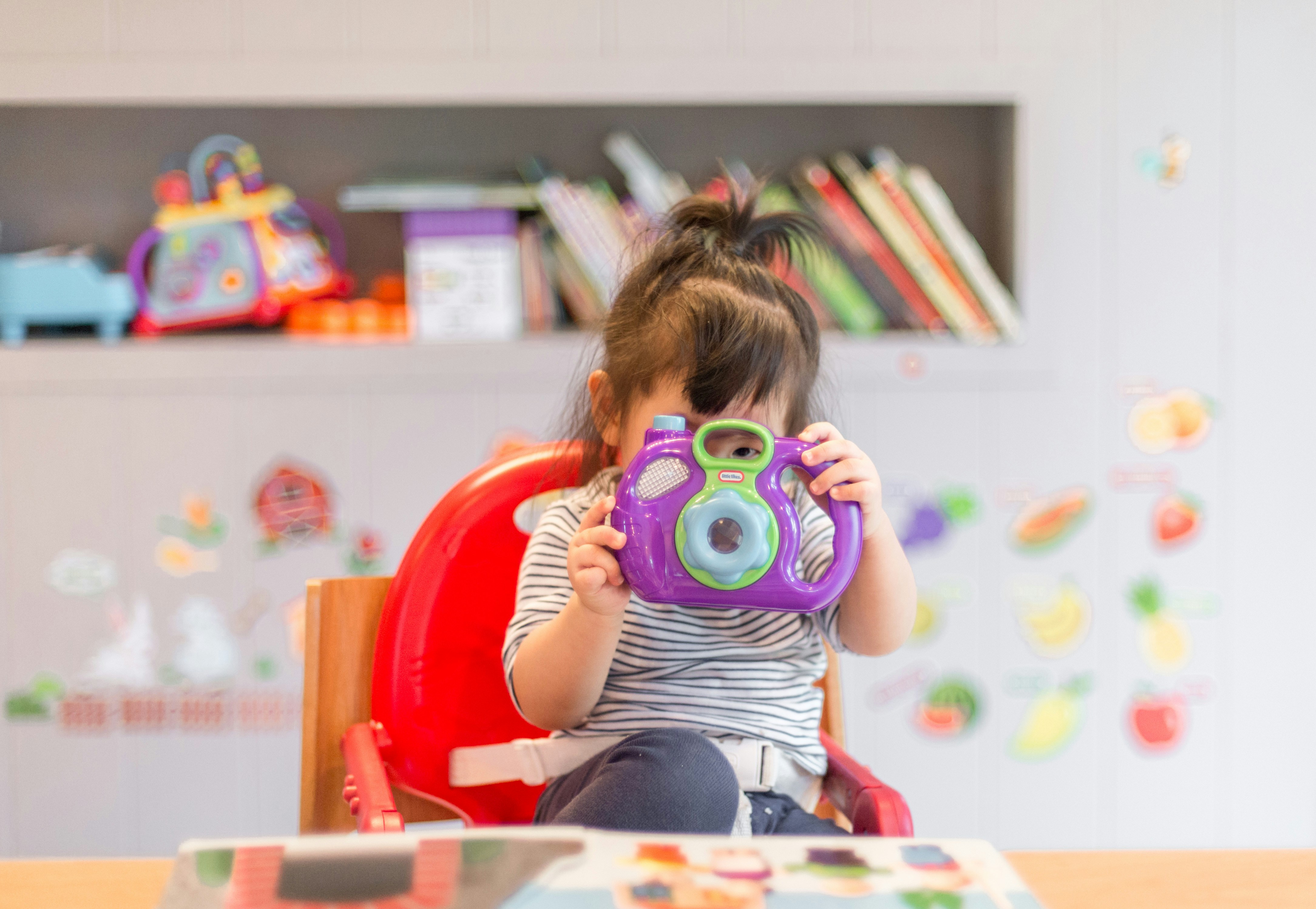
A preschool day can include stories, conversation, pretend play, building, art, movement, meals, and rest. Children explore language and early mathematics while also learning how to participate in a community. The teacher’s role is to prepare, observe, respond, and plan—not simply keep children occupied.
NAEYC defines developmentally appropriate practice around each child’s learning and development, using a strengths-based approach and active engagement. A planned environment can include both children’s own ideas and purposeful adult guidance.
Professional guidance: NAEYC’s developmentally appropriate practice →
What might learning look like?
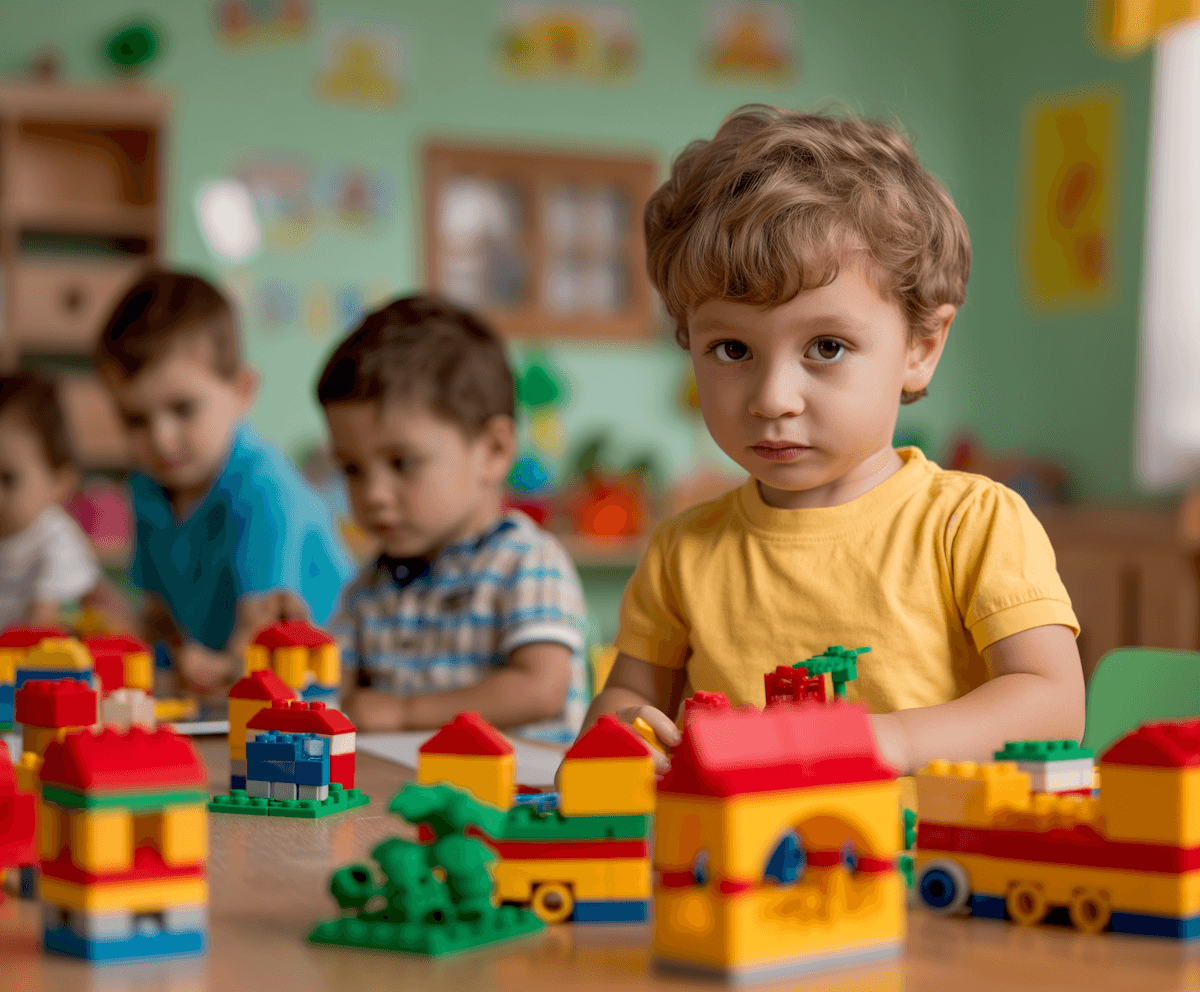
When children build together, they can compare sizes, explain a plan, and negotiate materials. When they retell a story, they can connect events and use new words. When they get ready to go outside, they can practice a routine and ask for help. These examples show opportunities for teaching, rather than a promise that one activity produces a particular result.
Care and education belong together
The labels “preschool” and “childcare” do not, by themselves, tell you the quality of a program. Childcare can include an educational curriculum, and preschool includes care. Compare the actual hours, relationships, supervision, activities, and support rather than assuming one name is better.
ChildCare.gov encourages families to consider whether a setting is safe, supports learning, and offers nurturing relationships. Ask how those priorities appear during meals, transitions, rest, and difficult moments as well as during planned activities.
Parent guidance: ChildCare.gov on quality care →
How can teachers tell a child is learning?
Ask for observations and examples: something a child can explain, a strategy they tried, or a new way of joining play. Teachers can use that information to adjust support. NAEYC recommends observation and documentation across everyday contexts, with attention to each child’s language and experience.
Professional guidance: NAEYC on observation and assessment →
What does preschool mean at Petit Loup?
We serve ages 2½–5 in a French immersion setting informed by Finnish early childhood pedagogy. Our single class has up to 15 children, with a 1:5 teacher-to-child ratio or better. No prior French is required; most families do not speak French.
Our core day runs 8:00 AM–3:30 PM, with two-, three-, and five-day attendance options. Parents pack lunch, the school is nut-free, and potty training is not required. Diaper changing and potty-training support carry a $250 monthly fee.
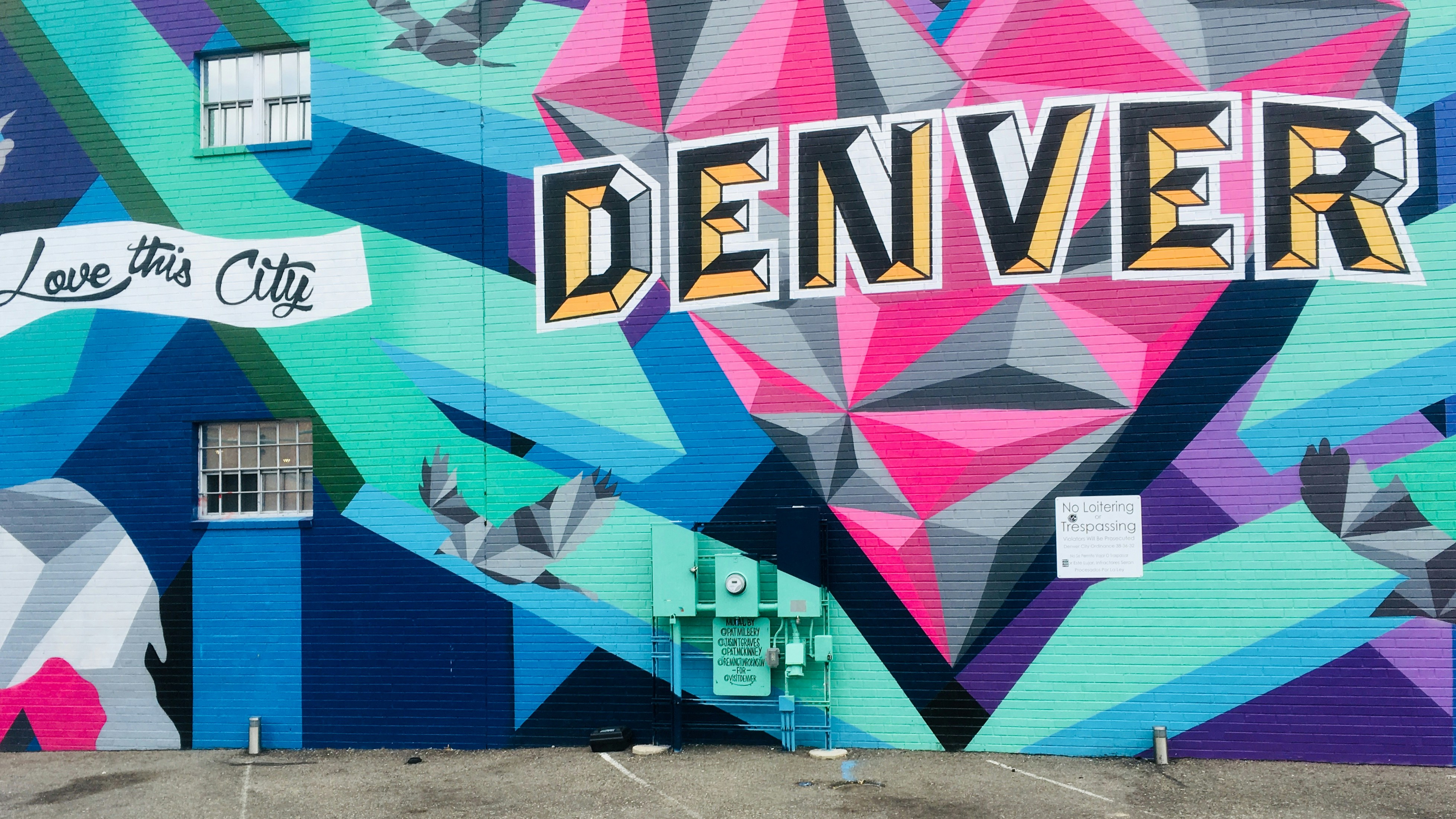
A tour is a chance to see how these details fit together and ask about the support your child needs. You will find us at 938 W 8th Ave, Denver, CO 80204.
Explore tuition and care options →
Updated November 24, 2026.